Choosing the right Forex broker in 2026 is not merely a task; it's a foundational decision that will profoundly impact your trading career. In an increasingly complex and technologically driven market, where AI-powered strategies and sophisticated data analytics are becoming commonplace, your broker serves as your primary gateway to liquidity, execution, and critical tools. This comprehensive checklist is designed to guide you through the intricate process, ensuring you select a partner that aligns with your trading style, risk tolerance, and long-term financial objectives. Skipping due diligence here is akin to building a house on sand – it's a recipe for disaster. As a mentor, I can tell you that a suboptimal broker can undermine even the most robust trading strategies, leading to avoidable losses and significant frustration.
The Unseen Impact of Your Broker Choice
Many new traders underestimate the critical role a broker plays beyond simply executing trades. Your broker is not just a platform provider; they are a financial institution that holds your capital, provides market access, and influences your trading environment. From the speed of execution and the tightness of spreads to the regulatory safeguards protecting your funds, every aspect of a broker's offering contributes to your potential for success or failure. In 2026, with geopolitical shifts and technological advancements accelerating, these factors are more important than ever.
Regulatory Compliance: Your Non-Negotiable Foundation
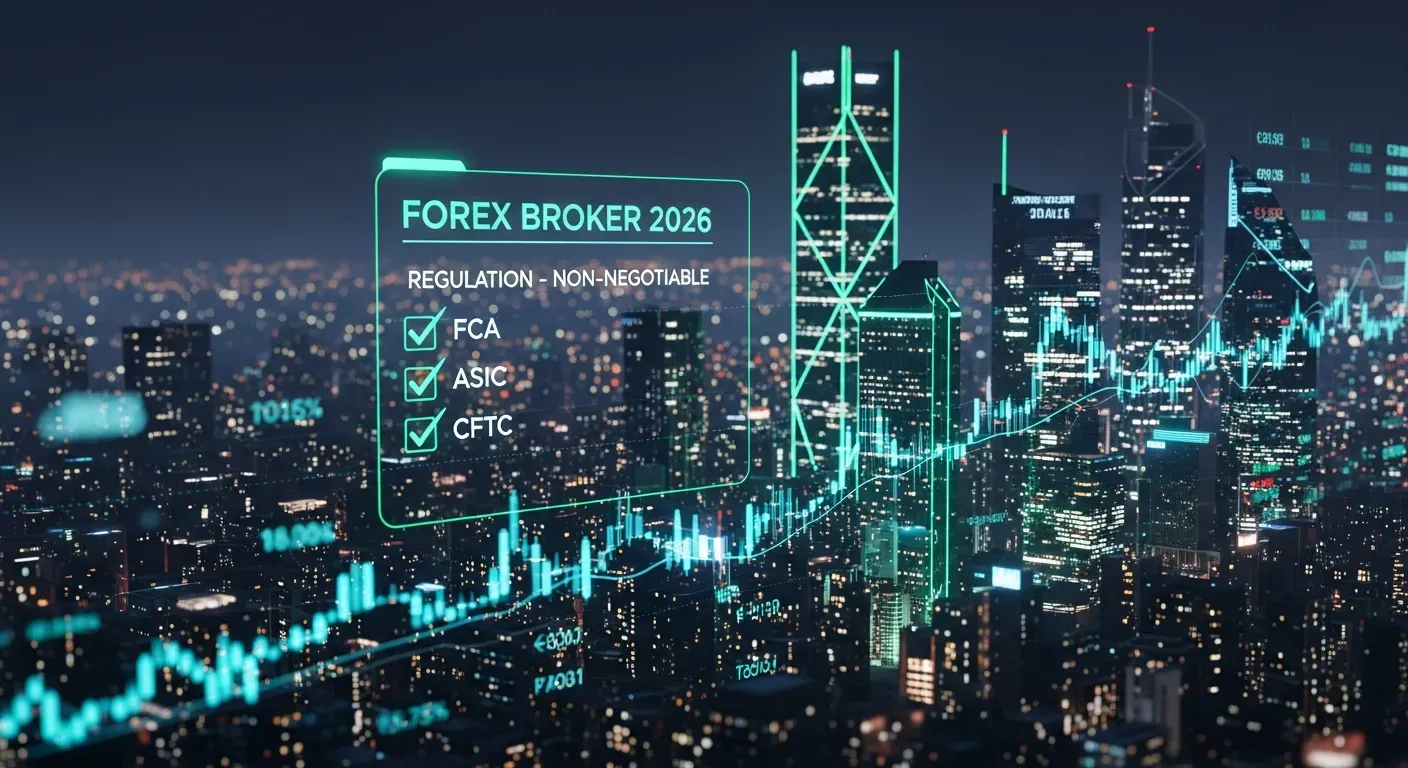
Regulation is the bedrock of secure and fair Forex trading. This is your first and most critical filter. Trading with an unregulated broker is one of the most reckless decisions you can make. It exposes your capital to immense risk, with little recourse in case of disputes, fraud, or bankruptcy.
⚡ Featured Brokers


- Tier-1 Regulators: Always prioritize brokers regulated by top-tier authorities. These include:
- ASIC (Australian Securities and Investments Commission): Known for stringent requirements and strong consumer protection.
- FCA (Financial Conduct Authority, UK): A global benchmark for regulatory oversight, offering excellent client fund segregation and compensation schemes.
- CySEC (Cyprus Securities and Exchange Commission): Regulates many brokers serving the EU, with robust investor protection.
- NFA/CFTC (National Futures Association/Commodity Futures Trading Commission, USA): Extremely strict, though often resulting in higher capital requirements for retail traders.
- BaFin (Federal Financial Supervisory Authority, Germany): Another strong European regulator.
- FSCA (Financial Sector Conduct Authority, South Africa): A reputable African regulator.
These regulators enforce strict capital requirements, audit financial practices, and ensure client funds are segregated from the company's operational capital. This means that even if the broker faces financial difficulties, your funds are protected. Without these safeguards, you're essentially gambling your entire investment.
| Regulatory Tier | Examples of Regulators | Key Protections | Typical Leverage | Notes |
|---|---|---|---|---|
| Tier 1 (Strong) | FCA, ASIC, CFTC, CySEC | Client fund segregation, negative balance protection, compensation schemes, strict audits, dispute resolution | Often lower (e.g., 1:30 for retail in EU/UK) | Highest trust and security. Essential for serious traders. |
| Tier 2 (Good) | FSCA, JFSA, MAS | Good oversight, some client protections | Moderate (e.g., 1:100 to 1:200) | Generally reliable, but review specific details. |
| Tier 3 (Emerging) | FSC (Belize), VFSC (Vanuatu) | Basic registration, less stringent oversight | High (e.g., 1:500 or more) | Use with extreme caution. Limited recourse in disputes. |
| Unregulated | None | None | Unlimited (often dangerous) | Avoid at all costs. High risk of fraud and fund loss. |
Trading Costs: Spreads, Commissions, and Swaps
Every trade incurs costs, and these can significantly erode your profits over time, especially for active traders or those employing high-frequency strategies. Understanding the true cost structure is paramount.
- Spreads: The difference between the buy and sell price. Look for tight spreads, especially on major currency pairs. Some brokers offer fixed spreads, others variable. Variable spreads are usually lower but can widen during volatile market conditions. For serious traders, an ECN broker like FP Markets typically provides raw, interbank spreads, which are the tightest available.
- Commissions: ECN (Electronic Communication Network) accounts often charge a commission per lot traded in exchange for raw, tighter spreads. Standard accounts usually have wider, commission-free spreads. Calculate which model is more cost-effective for your trading volume. For high-volume traders, a commission-based ECN model is almost always superior.
- Swap Rates (Overnight Fees): If you hold positions overnight, you'll either pay or receive a swap fee. These can accumulate, particularly for swing traders. Always check the swap rates for the currency pairs you trade. For Islamic accounts, swap-free options are available.
- Hidden Fees: Be vigilant for deposit/withdrawal fees, inactivity fees, or conversion fees. A transparent broker will clearly list all potential charges.
Trading Platforms and Tools: Your Workspace
The trading platform is your primary interface with the market. It must be robust, reliable, and equipped with the tools you need to execute your strategy.
- MetaTrader 4 (MT4) & MetaTrader 5 (MT5): These remain the industry standards for a reason. They offer extensive charting tools, technical indicators, and support for Expert Advisors (EAs) for automated trading. MT5 is more powerful, supporting more asset classes and timeframes, but MT4 still holds a strong community due to its longevity and vast library of custom indicators and EAs. Many brokers, including RoboForex , offer both MT4 and MT5.
- cTrader: A popular alternative known for its modern interface, advanced order types, and excellent execution speed, favored by many ECN traders.
- Proprietary Platforms: Some brokers develop their own platforms. While these can offer unique features and a tailored user experience, ensure they are reliable, user-friendly, and provide the functionality you require.
- Mobile Trading: In 2026, a high-quality mobile app is non-negotiable for monitoring trades and managing your account on the go. Ensure it mirrors the functionality of the desktop version.
- Advanced Tools: Look for integrated economic calendars, real-time news feeds, sentiment indicators, and analytical tools. These are invaluable for making informed decisions. For those venturing into algorithmic trading, the broker's support for custom indicators, EAs, and API access is critical. Our work at SVX Strategies heavily relies on robust platform capabilities for seamless automation and precise risk management. For more on this, check out The AI Revolution in Forex: Automated Trading and Advanced Analytics Reshape 2026.
Account Types and Minimum Requirements
Brokers typically offer various account types tailored to different trader profiles. Understanding these is crucial for selecting one that matches your capital and trading style.
- Standard Accounts: Generally have wider spreads, no commissions, and often higher minimum deposits.
- ECN/Raw Spread Accounts: Offer tighter, raw spreads with a commission per lot. Ideal for scalpers and high-volume traders.
- Micro/Cent Accounts: Allow trading in very small lot sizes (micro-lots or cent-lots), making them excellent for beginners or for testing strategies with minimal risk.
- Islamic Accounts (Swap-Free): Cater to traders observing Sharia law by eliminating swap fees. They might have different pricing structures or administrative fees instead.
- Minimum Deposit: This varies widely. Choose a broker whose minimum deposit aligns with your initial capital. Don't feel pressured to deposit more than you are comfortable risking.
- Leverage: The ability to control a large amount of capital with a relatively small amount of your own. While it can magnify profits, it also dramatically increases risk. High leverage is a double-edged sword; use it cautiously. Regulated brokers often cap leverage for retail clients (e.g., 1:30 for major pairs in Europe). For a deeper dive into leverage, read Leverage: How to Use It Without Blowing Your Account.
Deposit and Withdrawal Methods: Efficiency and Security
Smooth and secure fund transfers are essential. You need to be able to deposit funds easily and, more importantly, withdraw your profits without undue delays or complications.
- Variety of Methods: Look for brokers offering a range of convenient options, such as bank transfers, credit/debit cards, and popular e-wallets (Skrill, Neteller, PayPal). Some brokers also support cryptocurrency deposits, reflecting the trends of 2026.
- Processing Times: Check both deposit and withdrawal processing times. While deposits are usually instant, withdrawals can take anywhere from a few hours to several business days. Delays without clear reasons are red flags.
- Fees: Scrutinize any fees associated with deposits or withdrawals. Reputable brokers often offer several fee-free options.
Customer Support: Your Lifeline
When things go wrong, or you have questions, reliable customer support is invaluable. You need to know you can get help quickly and effectively.
- Availability: Ideally, support should be available 24/5 or even 24/7, covering major trading hours.
- Channels: Live chat, phone support, and email are standard. Test their live chat responsiveness before committing.
- Multilingual Support: Important if English is not your first language.
- Knowledge and Professionalism: Assess the quality of their responses. Are they helpful, knowledgeable, and polite?
Educational Resources and Research: For Growth and Insight
Especially for new traders, a broker that invests in its clients' education is a strong indicator of a long-term partner.
- Webinars, Tutorials, Articles: Look for comprehensive educational materials covering trading basics, technical analysis, fundamental analysis, and platform guides.
- Market Analysis: Access to in-house analysis, daily market briefs, or third-party research can provide valuable insights. Some brokers even integrate sophisticated tools or news feeds that highlight potential trading opportunities.
- Copy Trading/Social Trading: If you're interested in learning from or mimicking successful traders, consider brokers offering social trading features, such as eToro .
Risk Management Features
Effective risk management is paramount in trading. Your broker should provide tools and policies that help protect your capital.
- Negative Balance Protection (NBP): This is a critical feature, especially with high leverage. NBP ensures you cannot lose more money than you have deposited, protecting you from falling into debt to the broker during extreme market moves.
- Stop-Loss and Take-Profit Orders: While these are standard, ensuring their reliable execution is key. Slippage can occur during volatile periods, so understanding how your broker handles this is important. Trading without a stop loss is reckless, plain and simple.
- Segregated Accounts: As mentioned under regulation, ensuring your funds are held separately from the broker's operating capital is vital for asset security. Our strategies at SVX Strategies always incorporate robust risk parameters, and having a broker that supports these effectively is non-negotiable. For an introduction to smarter strategies and risk management, see AI-Powered Forex Trading in 2026: A Beginner's Guide to Smart Strategies and Risk Management.
The 2026 Landscape: AI, Data, and Volatility
In 2026, the Forex market is more dynamic than ever. Artificial intelligence is no longer just a buzzword; it's actively reshaping trading strategies, analytics, and even customer support. Data analytics provides unprecedented insights into market behavior. Volatility, driven by geopolitical tensions and rapid economic shifts, requires brokers with exceptional liquidity and execution capabilities.
When selecting a broker, consider their stance on embracing these changes. Do they offer AI-enhanced tools? Do they provide robust data feeds for your analysis? Are their servers capable of handling rapid-fire algorithmic trades during peak volatility?
Your Broker Selection Checklist Summary
| Feature | Priority | Key Considerations | Check ✔ |
|---|---|---|---|
| Regulation | High | Tier-1 regulators (FCA, ASIC, CySEC, CFTC). Client fund segregation, negative balance protection. | |
| Trading Costs | High | Tight spreads (especially on majors), transparent commissions (if applicable), fair swap rates. Absence of hidden fees. | |
| Trading Platforms | High | MT4, MT5, cTrader, or a robust proprietary platform. Mobile app functionality. Support for EAs/Algo trading. | |
| Account Types | Medium | Availability of account types suitable for your capital (Standard, ECN, Micro). Access to Islamic accounts if needed. | |
| Minimum Deposit | Medium | Realistic minimum deposit matching your initial investment comfort level. | |
| Leverage Options | Medium | Appropriate leverage limits for your risk profile, especially considering regulatory caps. | |
| Deposits & Withdrawals | High | Diverse and secure methods (bank, cards, e-wallets). Fast and reliable processing times. Transparent fees. | |
| Customer Support | Medium | 24/5 or 24/7 availability. Multiple contact channels (chat, phone, email). Responsive and knowledgeable staff. | |
| Educational Resources | Low/Medium | Webinars, tutorials, market analysis, news feeds. Value for new traders or those seeking continuous learning. | |
| Risk Management Tools | High | Negative Balance Protection, reliable Stop-Loss/Take-Profit execution, segregated accounts. | |
| Market Assets | Medium | Sufficient range of currency pairs, commodities, indices, cryptos, etc., for your trading strategy. | |
| Execution Speed | High | Low latency execution, especially for high-frequency or news trading. |
Choosing a Forex broker in 2026 requires a diligent, systematic approach. Do not rush this decision. Treat it as you would any significant financial investment. Prioritize security, transparency, and functionality. A well-chosen broker will be a partner in your trading journey, providing the reliable infrastructure you need to execute your strategies effectively and navigate the dynamic global markets.
Frequently Asked Questions
What are the most important factors when choosing a Forex broker in 2026?
The most crucial factors are regulatory compliance (Tier-1 regulators), transparent trading costs (tight spreads, clear commissions), robust trading platforms (MT4/MT5/cTrader), and reliable deposit/withdrawal processes. Negative Balance Protection is also essential for risk management.
Why is regulatory compliance so critical for Forex brokers?
Regulatory compliance ensures the safety of your funds by mandating client fund segregation, enforcing capital requirements, and providing avenues for dispute resolution. It protects you from broker insolvency or fraudulent practices, offering peace of mind that your capital is secure.
What is the difference between ECN and Standard accounts?
ECN (Electronic Communication Network) accounts offer raw, tighter interbank spreads with a small commission per lot traded. Standard accounts typically have wider, commission-free spreads. ECN accounts are generally preferred by experienced traders and scalpers due to superior execution and transparency.
How does AI impact the choice of a Forex broker in 2026?
In 2026, AI is influencing trading tools, analytics, and execution. Brokers that embrace AI might offer advanced market insights, improved algorithmic trading support, or more efficient customer service. Ensure your chosen broker's platform can support AI-driven EAs or external API integrations if you plan on using such strategies.
Can I start Forex trading with a small deposit?
Yes, many brokers offer Micro or Cent accounts that allow you to start with a very small minimum deposit, often as low as $10-$100. These accounts are excellent for beginners to practice and gain experience without risking significant capital. However, always ensure the broker is still well-regulated, even for small accounts.
What should I look for in a broker's customer support?
Seek brokers with 24/5 or 24/7 support, accessible via multiple channels like live chat, phone, and email. Crucially, the support staff should be knowledgeable, responsive, and able to address your concerns efficiently.
Is it safe to trade with high leverage?
High leverage can amplify both profits and losses. While it allows control over larger positions with less capital, it also significantly increases your risk exposure. Trading with high leverage requires strict risk management. Many top-tier regulators impose limits on leverage (e.g., 1:30) for retail traders to protect them from excessive risk, and I advise understanding Leverage: How to Use It Without Blowing Your Account before using it.
Disclaimer: Content for educational purposes only. Not financial advice. Trading carries high risk. Past performance of SVX or any system does not guarantee future results.
📡 FBC Ecosystem:
This analysis is just one piece of the puzzle.
- For tactical execution: Follow X (Twitter)
- For the morning briefing: Join Telegram