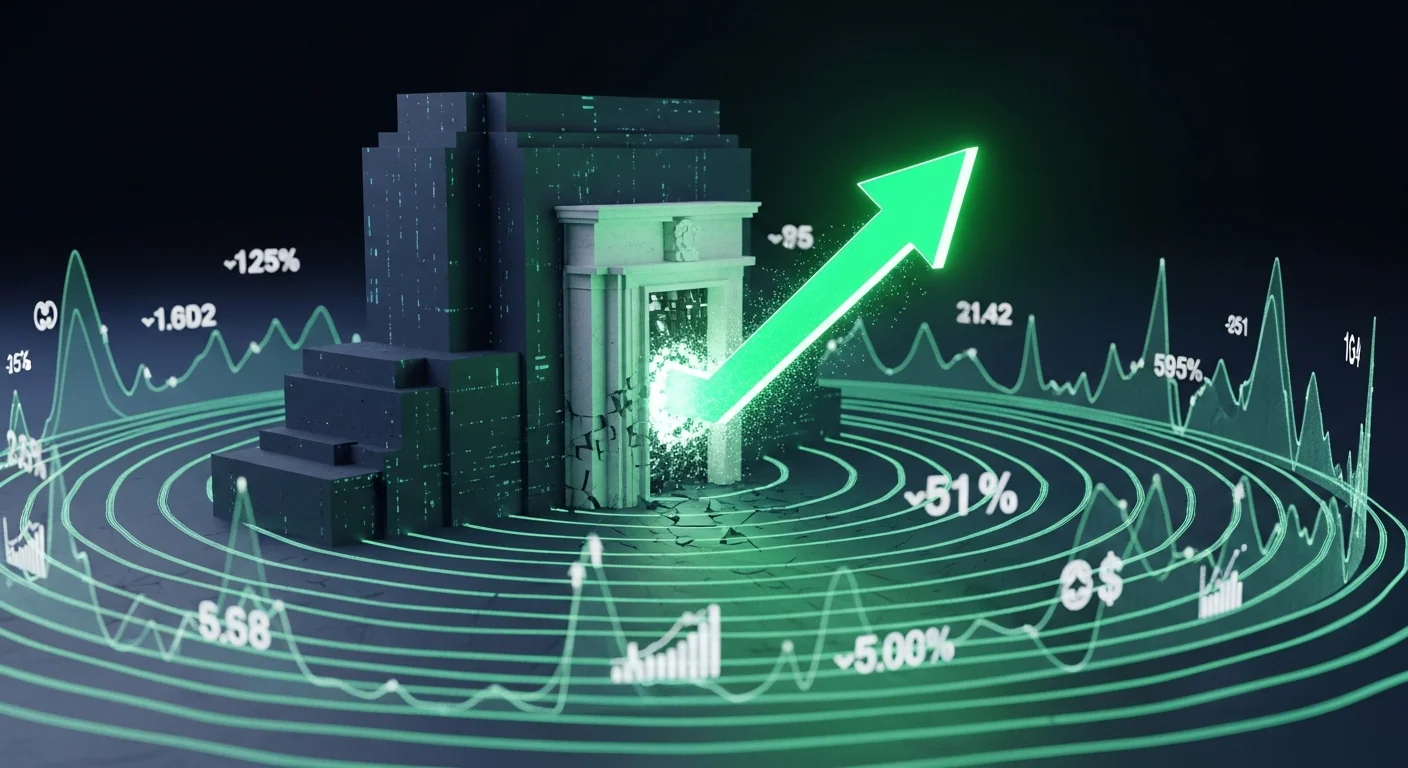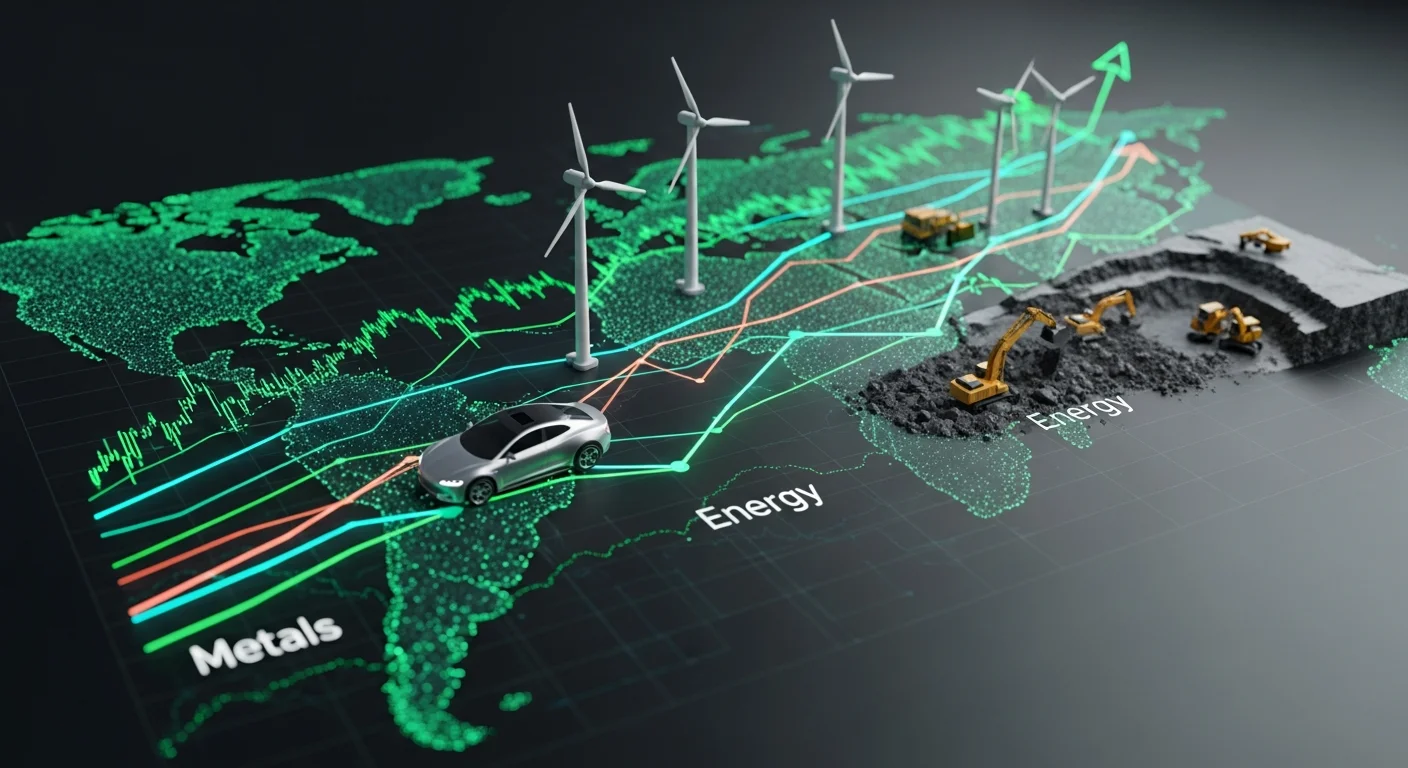
The global economy in 2026 finds itself in the throes of a pronounced commodity supercycle, a prolonged period where commodity prices trade above their long-term average. This isn't just a cyclical bounce; it's a structural shift driven by deeply intertwined forces that promise to reshape global markets for years to come. Understanding this phenomenon is paramount for any serious trader or investor. Unlike previous cycles, this one is profoundly influenced by the dual pressures of rapid energy transition and enduring geopolitical instability, making it particularly complex and volatile. Whether you're looking at commodities trading in crude oil, industrial metals, or agricultural products, the underlying currents are stronger than ever.
The Unfolding of a New Supercycle
Historically, commodity supercycles have been driven by massive demand shocks, often from industrialization booms. Think of the post-WWII reconstruction, the 1970s oil crisis, or the early 2000s surge propelled by China's ravenous growth. What we're seeing now, however, is a confluence of factors that makes this supercycle unique.
Key Drivers of the Current Supercycle (2026)
Several powerful forces are converging to fuel the current commodities market rally, particularly in energy and metals:
⚡ Featured Brokers


- The Energy Transition Megatrend: This is arguably the most significant long-term driver. The global push towards decarbonization requires an unprecedented amount of metals—copper for wiring, lithium, cobalt, and nickel for batteries, rare earths for magnets, and aluminum for lighter structures. The scale of this demand is staggering, far outstripping current supply capabilities. This structural shift means demand for these crucial materials will only intensify.
- Years of Underinvestment in Supply: A decade or more of subdued commodity prices led to a significant drop in investment in new mining projects and oil & gas exploration. Developing a new mine or oil field takes years, sometimes a decade, from discovery to production. We are now paying the price for that short-sightedness, with supply struggling to keep pace with resurgent demand.
- Geopolitical Fragmentation and Supply Chain Resilience: The past few years have highlighted the fragility of global supply chains. Nations and corporations are prioritizing resilience and security over pure cost efficiency, leading to diversification and, in some cases, reshoring of manufacturing. This creates localized demand spikes for raw materials and complicates global distribution.
- Persistent Inflationary Pressures: With central banks globally battling stubborn inflation, investors are increasingly turning to real assets, including commodities, as a hedge against currency debasement. Commodities are often seen as an inflation play, and in the current environment, this perception is driving significant capital flows into the commodities market.
- Population Growth and Urbanization: While not a new driver, sustained global population growth and continued urbanization in emerging markets provide a constant baseline demand for food, energy, and construction materials. This underlying demand acts as a persistent tailwind for various commodities examples.
Outlook for Energy Commodities
The energy sector is at a fascinating crossroads. The push for renewables is undeniable, yet the world remains heavily reliant on traditional fossil fuels, especially in the near to medium term.
- Oil & Gas: Expect continued volatility. While investment in new fossil fuel projects is constrained by ESG (Environmental, Social, and Governance) pressures and long-term uncertainty, short-term demand remains robust. Geopolitical tensions in key production regions will continue to create supply shocks and price spikes. Traders on platforms like FP Markets will need to be nimble, reacting to news and supply-demand imbalances. For an in-depth look at energy markets, consider Commodities Trading for Beginners: A 2026 Guide.
- Renewables (Solar, Wind, Hydro): While these are the future, their growth itself is a major driver for metals commodities. The infrastructure required for a green grid, from solar panels to wind turbines and energy storage solutions, is incredibly metal-intensive. This creates a fascinating dynamic where the transition away from fossil fuels paradoxically fuels demand for other raw materials.
Outlook for Metals
This is where the supercycle truly shines, particularly for industrial and battery metals.
- Industrial Metals (Copper, Aluminum, Nickel, Zinc): These are the backbone of industrialization and the energy transition. Copper, often called 'Dr. Copper' for its predictive power on the economy, is critical for virtually every aspect of electrification. Aluminum is vital for lightweighting vehicles and renewable energy components. Nickel is essential for stainless steel and EV batteries. The demand trajectory for these metals is steeply upward, propelled by infrastructure spending, electrification of transport, and renewable energy build-out.
- Battery Metals (Lithium, Cobalt, Graphite): This segment is experiencing exponential growth. Electric Vehicle (EV) sales are surging globally, and grid-scale battery storage is becoming more prevalent. The supply chains for these materials are concentrated and complex, leading to significant price volatility and strategic competition. For a deeper dive into one of these critical metals, explore Cobalt Crunch: Why Battery Metals Are About to Skyrocket.
- Precious Metals (Gold, Silver): Gold (XAUUSD) continues to serve its traditional role as a safe haven asset and an inflation hedge. In a world of elevated geopolitical risk and persistent inflation, its appeal remains strong. Silver, often seen as 'poor man's gold', also benefits from its industrial applications, particularly in solar panels and electronics. The volatility in these markets often presents opportunities, and at SVX Strategies, our algorithmic trading arm, we closely monitor these dynamics, applying advanced quantitative models to manage risk and identify potential entry and exit points in volatile markets like Gold, powered by SVX Strategies .
Trading Commodities in 2026
Trading commodities in this environment requires a disciplined approach. Volatility is high, and fundamental shifts are profound. Here are some considerations:
- Understanding the Fundamentals: Don't trade blindly. Understand the supply-demand dynamics, geopolitical risks, and technological shifts affecting each commodity.
- Risk Management is Paramount: Leverage can amplify both gains and losses. Trading without strict stop-losses is reckless, especially in a supercycle characterized by sharp price movements. Platforms like IC Markets offer raw spreads and robust execution, which are crucial for automated trading strategies and efficient risk management.
- Diversification: Don't put all your eggs in one basket. The commodities market is vast; consider a basket approach rather than focusing on a single commodity.
- Leveraging Technology: Algorithmic trading, as used by SVX Strategies , can provide an edge by executing trades based on predefined criteria, reducing emotional bias, and reacting quickly to market changes. Many brokers, including Eightcap , offer MetaTrader 4 and 5, which are excellent platforms for implementing EAs (Expert Advisors).
- Inflation and Stagflation Considerations: Given the 'higher for longer' interest rate environment and potential for stagflation, commodities can offer portfolio protection. For insights into related economic conditions, read Stagflation Survival Guide: Investment Strategies for the 2026 Economic Slowdown.
This new commodity supercycle is not merely a transient phase. It's a structural realignment of global supply and demand, driven by the profound transition to a greener economy and exacerbated by geopolitical shifts. Successful participation in this market demands a deep understanding of these drivers and an unyielding commitment to robust risk management.
Frequently Asked Questions
What is a commodity supercycle?
A commodity supercycle is a multi-decade period during which commodity prices trade significantly above their long-term average trend. These cycles are typically driven by major structural shifts in global demand or supply, often tied to industrialization, technological revolutions, or geopolitical realignments.
What are the main drivers of the current commodity supercycle in 2026?
The primary drivers include the global energy transition (leading to massive demand for battery and industrial metals), years of underinvestment in new commodity supply, geopolitical fragmentation leading to supply chain re-evaluation, persistent global inflation, and ongoing population growth and urbanization.
How does the energy transition impact commodity prices?
The energy transition significantly boosts demand for 'green' metals like copper, lithium, cobalt, nickel, and rare earths, which are essential for electric vehicles, renewable energy infrastructure, and battery storage. It also creates a complex dynamic for fossil fuels, where reduced long-term investment meets robust short-term demand, leading to volatility.
What are some examples of commodities to watch in this supercycle?
Key commodities include crude oil and natural gas (for energy volatility), copper, aluminum, and nickel (for industrial demand and electrification), and battery metals like lithium and cobalt (for EV and storage growth). Gold and silver also remain important as inflation hedges and safe-haven assets.
How can a retail trader participate in commodity trading?
Retail traders can participate through various financial instruments, including Contracts for Difference (CFDs) offered by brokers like FP Markets and IC Markets, futures contracts, or commodity-focused Exchange Traded Funds (ETFs). It's crucial to understand the leverage involved with CFDs and practice strict risk management.
Is algorithmic trading effective for commodities in a supercycle?
Yes, algorithmic trading can be particularly effective in volatile supercycle environments. Algorithms, like those deployed by SVX Strategies , can execute trades rapidly based on predefined criteria, helping to capitalize on fast-moving markets and manage risk systematically, removing emotional bias. Many brokers support EAs on MetaTrader 4 and 5 platforms.
What are the risks of trading commodities during a supercycle?
The primary risks include high volatility leading to rapid price swings, geopolitical events causing sudden supply shocks, and the inherent leverage in many commodity trading instruments (like CFDs), which can magnify losses. Inflationary pressures and potential economic slowdowns also add layers of complexity.
Disclaimer: Content for educational purposes only. Not financial advice. Trading carries high risk. Past performance of SVX or any system does not guarantee future results.
📡 FBC Ecosystem:
This analysis is just one piece of the puzzle.
- For tactical execution: Follow X (Twitter)
- For the morning briefing: Join Telegram