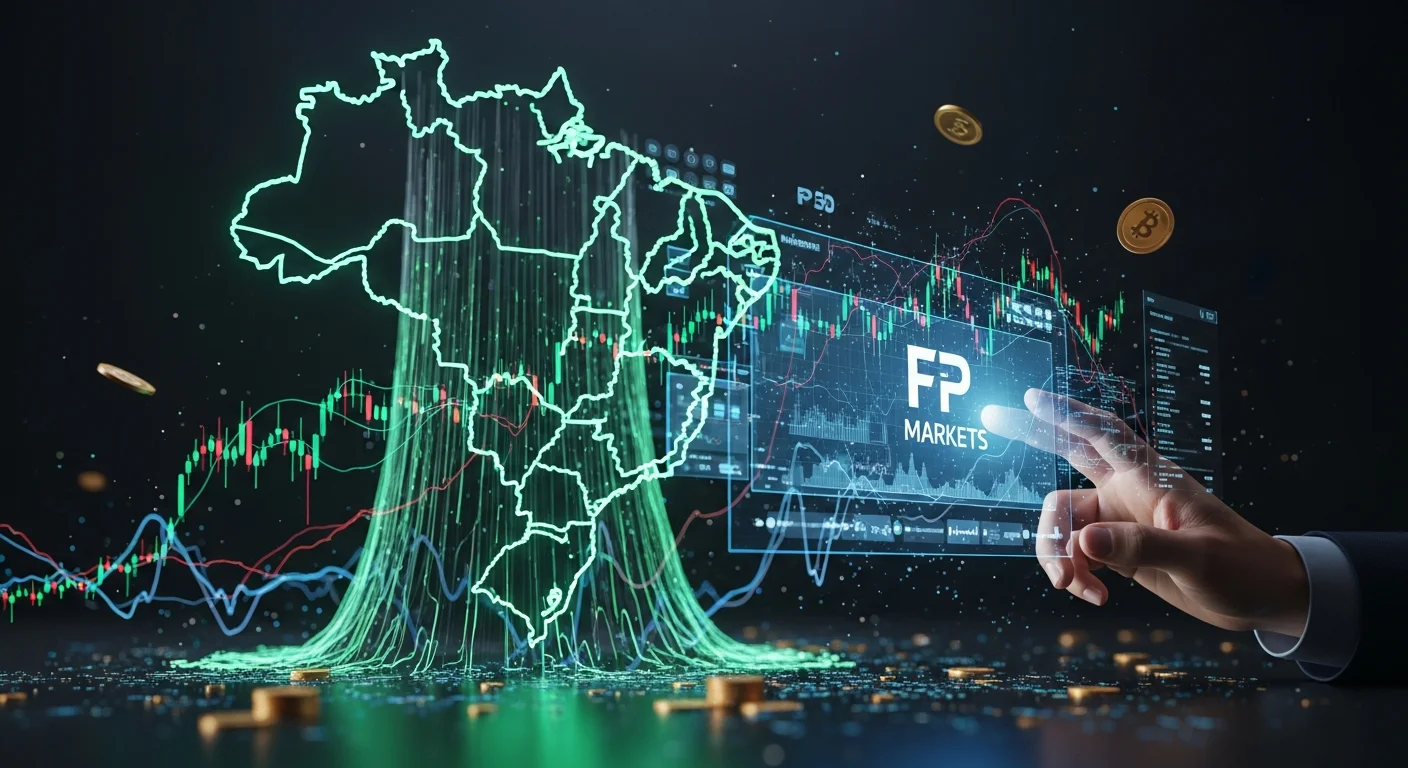
A broker, in its simplest definition, is an intermediary. In the world of online trading and financial markets, a broker is a firm or an individual that facilitates the buying and selling of financial assets on behalf of their clients. Understanding the broker meaning is fundamental for anyone looking to enter the retail trading space, whether it’s Forex, CFDs on stocks, commodities, or cryptocurrencies. Essentially, a broker acts as a gateway, connecting individual traders like you to the vast global markets. The broker meaning in business extends to various industries, from real estate to insurance, but our focus here is squarely on the financial services sector, specifically Forex and CFD trading. While the term "broker phighting" isn't a widely recognized industry term, it could imply the fierce competition among brokers for clients, or perhaps the struggle traders face with unreliable brokers, highlighting the critical need for due diligence.
What Exactly is a Broker? The Gateway to Global Markets
At its core, a broker is a licensed entity that executes trades for clients. Without a broker, individual retail traders would not have direct access to interbank liquidity pools for Forex, or the various exchanges where stocks, commodities, and other assets are traded. Their primary function is to bridge the gap between you and the market. Historically, trading was a highly exclusive activity, limited to institutional players and the ultra-wealthy. Brokers democratized this process, allowing ordinary individuals to participate.
The financial broker's role encompasses more than just executing orders. They provide the necessary technological infrastructure, including trading platforms, real-time market data, and analytical tools. They manage the complexities of market access, liquidity, and regulatory compliance, allowing traders to focus on their strategies. This critical function underpins the entire online trading ecosystem.
Key Roles of a Trading Broker:
⚡ Featured Brokers


- Market Access: Providing the technology and connections to buy and sell financial instruments.
- Trade Execution: Processing buy and sell orders efficiently and accurately.
- Liquidity: Often acting as a liquidity provider or connecting clients to multiple liquidity sources to ensure smooth transactions.
- Technology & Platforms: Offering user-friendly trading platforms like MetaTrader 4 (MT4), MetaTrader 5 (MT5), cTrader, or proprietary web-based platforms.
- Account Management: Handling client funds, deposits, withdrawals, and maintaining trading accounts.
- Risk Management Tools: Offering features such as stop-loss, take-profit, and margin calls to help traders manage exposure.
- Regulatory Compliance: Adhering to strict financial regulations to protect client funds and ensure fair trading practices.
Why Do You Need a Broker? The Indispensable Intermediary
The notion of trading directly with the market as an individual retail trader is largely impractical, if not impossible. This is precisely why a broker is not just convenient but absolutely essential. Think of it as needing a bank to manage your savings or a real estate agent to buy a house; a broker is your essential partner in financial trading.
Access and Execution
Firstly, brokers provide the access to markets that are otherwise inaccessible. For instance, the Forex market is an over-the-counter (OTC) market, meaning there's no central exchange. Instead, banks trade directly with each other. A Forex broker aggregates prices from these large financial institutions, allowing retail traders to access these rates and execute trades on smaller lot sizes. Similarly, for CFDs on stocks, indices, or commodities, brokers connect to various exchanges or liquidity providers to offer these instruments.
Secondly, they handle execution. When you place a trade, your broker is responsible for finding a counterparty and completing the transaction. This involves sophisticated technology to ensure minimal slippage and fast execution, especially crucial in volatile markets or during high-impact news events like Non-Farm Payrolls. Understanding how to trade NFP volatility requires a broker with robust execution capabilities How to Trade NFP (Non-Farm Payrolls) Without Gambling.
Technology, Leverage, and Risk Management
Modern brokers offer advanced trading platforms, packed with charting tools, indicators, and often, integrated news feeds. These platforms are the trader's cockpit, enabling informed decision-making. Moreover, brokers provide leverage, allowing traders to control larger positions with a relatively small amount of capital. While leverage can amplify profits, it also significantly amplifies losses, underscoring the importance of understanding and managing risk. This leads us to risk management tools; a reliable broker offers features like stop-loss and take-profit orders, which are vital for mitigating potential losses and locking in gains. Developing a disciplined approach to position sizing, as discussed in Why Disciplined Position Sizing is 2026's Top Trading Rule: A Back to Basics Guide, is paramount, and your broker's platform facilitates the implementation of such strategies.
Regulatory Oversight and Fund Security
Perhaps one of the most critical reasons you need a reputable broker is for regulatory oversight. Regulated brokers operate under the watchful eye of financial authorities (e.g., ASIC, CySEC, FCA, NFA). This regulation provides a layer of security for your funds, ensures fair trading practices, and offers avenues for dispute resolution. Choosing a broker with a strong trust score is non-negotiable, as detailed in Why Your Forex Broker's Trust Score Matters: A 2026 Guide. Without a regulated intermediary, you expose yourself to significant counterparty risk, potential fraud, and a complete lack of recourse should something go wrong. Our premium partner, FP Markets, is an example of a globally regulated broker that prioritizes client trust and robust trading conditions.
Types of Trading Brokers for Retail Traders
While the general broker meaning applies across finance, the specifics differ greatly in the retail trading world. You'll primarily encounter Forex and CFD brokers, each offering distinct advantages and trading instruments.
Forex Brokers
These brokers specialize in currency trading. They provide access to the foreign exchange market, allowing you to trade currency pairs like EUR/USD, GBP/JPY, and XAU/USD (Gold). Forex brokers typically offer various execution models:
- ECN (Electronic Communication Network) Brokers: These brokers route client orders directly to interbank liquidity providers. They typically charge a commission per trade in addition to raw, tight spreads. IC Markets is well-known for its raw spread ECN accounts.
- STP (Straight Through Processing) Brokers: STP brokers route trades directly to their liquidity providers without internal dealing desk intervention. Spreads may be slightly wider than ECN, but they often don't charge separate commissions. Fusion Markets offers competitive low-cost trading through STP.
- Market Maker Brokers: These brokers often take the opposite side of their clients' trades, creating an internal market. They provide liquidity directly to their clients, quoting their own bid and ask prices. While some view this with suspicion, reputable market makers are heavily regulated to ensure fair practices. XM is a globally recognized market maker that offers competitive conditions.
CFD Brokers
CFD (Contract for Difference) brokers allow you to trade the price movements of a vast array of underlying assets without actually owning them. This means you can speculate on the price direction of:
- Indices: S&P 500, Dow Jones, DAX 40.
- Commodities: Gold (XAU/USD), Oil (WTI, Brent), Silver.
- Stocks: Shares of major companies like Apple, Tesla, Google.
- Cryptocurrencies: Bitcoin, Ethereum, Ripple, Dogecoin. The retail crypto custody dilemma highlights the advantage of trading crypto CFDs over owning actual crypto The Retail Crypto Custody Dilemma: Balancing Security, Control, and Trading Flexibility.
- ETFs: Exchange-Traded Funds.
Many brokers, like Eightcap and RoboForex , offer both Forex and a comprehensive range of CFD products, providing a one-stop-shop for diversification.
Key Considerations When Choosing a Broker
Selecting the right broker is arguably one of the most critical decisions a retail trader makes. It directly impacts your trading experience, cost, security, and potential for success. For a deeper dive, consider Why Your Choice of Forex Broker in 2026 is Crucial: A Comprehensive Checklist.
1. Regulation and Trust
This is non-negotiable. Always prioritize brokers regulated by top-tier authorities (e.g., ASIC, FCA, CySEC, NFA, BaFin). Regulation ensures client fund segregation, dispute resolution mechanisms, and adherence to capital adequacy requirements. Never engage with an unregulated broker, regardless of how attractive their offers seem. FP Trading is another trusted name known for its regulatory compliance and comprehensive offerings.
2. Trading Costs
Evaluate spreads, commissions, swap fees (overnight financing), and withdrawal fees. While zero-commission might sound appealing, always check the spread; often, higher spreads compensate for no commission. Raw spread accounts, like those offered by TickMill , can be highly cost-effective for active traders.
3. Trading Platforms
The platform is your primary interface. MetaTrader 4 (MT4) and MetaTrader 5 (MT5) are industry standards, known for their stability, charting tools, and support for Expert Advisors (EAs). cTrader is popular for its modern interface and advanced order types. Some brokers, like Eightcap , offer integration with TradingView, a highly popular charting and social trading platform. Ensure the platform is stable, user-friendly, and offers the tools you need.
4. Asset Variety
Does the broker offer the instruments you wish to trade? If you're keen on trading a wide range of CFDs including indices, commodities, and crypto, then brokers like XM or RoboForex might be a better fit than a niche Forex-only broker.
5. Customer Support
Reliable and responsive customer service is crucial, especially when technical issues arise or you have questions about your account. Look for 24/5 or 24/7 support via multiple channels (live chat, phone, email) in your preferred language.
6. Deposit and Withdrawal Methods
Check the available payment methods, processing times, and any associated fees for both deposits and withdrawals. Fast and hassle-free transactions are a sign of a well-run brokerage.
7. Educational Resources and Tools
Especially for new traders, a broker that provides educational materials, webinars, market analysis, and trading tools can be invaluable. This shows a commitment to client success.
8. Copy Trading / Social Trading
If you're interested in mirroring the trades of experienced investors, look for brokers offering social trading features or dedicated platforms like eToro or those integrated with Myfxbook AutoTrade or ZuluTrade, as offered by Pepperstone .
The Competitive Landscape and the "Broker Phighting" Misconception
The term "broker phighting" isn't standard industry jargon. However, if interpreted as "broker fighting" or aggressive competition, it perfectly describes the dynamic retail brokerage market. Brokers are constantly vying for clients by offering tighter spreads, faster execution, more assets, better platforms, and enticing bonuses. This intense competition can benefit traders through improved services and lower costs.
On the flip side, "broker phighting" might also refer to less scrupulous practices:
- Aggressive Marketing Tactics: Brokers making unrealistic promises of returns.
- Conflict of Interest: Market maker brokers potentially taking advantage of client losses (though regulated ones have strict rules against this).
- Scam Brokers: Unregulated entities actively working against client interests, often manipulating prices or withholding withdrawals.
This highlights the paramount importance of choosing a regulated and reputable broker. Due diligence helps you avoid the "phight" against dishonest practices and ensures you're partnering with a firm that prioritizes transparency and client protection. For more insights on what makes a top broker truly elite, see Beyond Spreads: What Makes a Top Forex Broker Elite in 2026.
The Role of Automation and Algorithmic Trading
In today's fast-paced markets, automation and algorithmic trading have become indispensable for many traders. Brokers facilitate this by offering platforms compatible with Expert Advisors (EAs) and providing API access for custom trading solutions. An algorithmic trading system, like SVX Strategies , relies heavily on a broker's infrastructure for efficient order routing and reliable execution.
Brokers with low latency servers, robust connectivity, and support for high-frequency trading are crucial for algorithmic strategies. The ability to deploy EAs on platforms like MT4 or MT5 means traders can automate their strategies, removing emotional biases and allowing for 24/5 trading without constant manual intervention. This technological edge is a key differentiator among leading brokers.
Broker Types and Key Characteristics
| Broker Type | Execution Model | Ideal For | Example Brokers |
|---|---|---|---|
| ECN | Direct market access, raw spreads, commission | High-volume traders, scalpers, algorithmic strategies | IC Markets , Pepperstone |
| STP | Direct routing to liquidity providers, no dealing desk | Most retail traders, seeking transparent pricing | Fusion Markets , FP Markets |
| Market Maker | Internalizes orders, quotes own prices, no commission (wider spread) | Beginners, those preferring fixed spreads | XM , AvaTrade |
| Social Trading | Combines trading with social network features, copy trading | Beginners, those wanting to follow experienced traders | eToro , Pepperstone |
Essential Features to Compare Among Brokers
| Feature | Why It Matters | What to Look For |
|---|---|---|
| Regulation | Protects funds, ensures fair play, legal recourse | Top-tier regulators (FCA, ASIC, CySEC, NFA, BaFin) |
| Spreads & Commissions | Directly impacts trading costs and profitability | Tight spreads (e.g., from 0 pips), reasonable commissions, transparent fee structure |
| Trading Platforms | Your primary interface for analysis and execution | MT4, MT5, cTrader, TradingView integration, mobile apps, stability, user-friendliness |
| Asset Diversity | Allows for diversification and different trading opportunities | Comprehensive range of Forex pairs, CFDs (indices, commodities, stocks, crypto) |
| Leverage Options | Controls buying power and risk exposure | Flexible leverage, options to adjust based on experience and asset class |
| Customer Support | Essential for resolving issues and queries | 24/5 or 24/7 support, multiple contact methods (chat, phone, email), multilingual |
| Deposit/Withdrawal | Ease and speed of funding and accessing profits | Various secure methods, fast processing times, low or no fees |
| Execution Speed | Minimizes slippage, crucial for volatile markets | Low latency, fast order execution, minimal requotes |
| Risk Management Tools | Aids in protecting capital | Stop-loss, take-profit, margin call levels, negative balance protection |
Making Your Broker Choice: A Strategic Approach
The decision of which broker to partner with should never be rushed. It involves a strategic evaluation of your trading style, goals, and risk tolerance against the offerings of various firms. A good broker is more than just an order taker; they are a partner in your trading journey, providing the tools, security, and environment you need to succeed. Take the time to research, compare, and even test different brokers with demo accounts before committing real capital. The effort invested in choosing wisely will pay dividends in the long run.
Frequently Asked Questions
What is the primary function of a Forex broker?
The primary function of a Forex broker is to act as an intermediary, connecting retail traders to the interbank foreign exchange market, enabling them to buy and sell currency pairs. They provide the trading platform, liquidity, and manage the execution of trades.
How do brokers make money if they offer low or zero commissions?
Brokers typically make money through several avenues, even with low or zero commissions. These include charging a spread (the difference between the buy and sell price of an asset), swap fees for positions held overnight, and sometimes through premium services or wider spreads if they are market makers.
Is it safe to trade with an unregulated broker?
No, it is highly unsafe to trade with an unregulated broker. Unregulated brokers do not adhere to financial protection laws, may not segregate client funds, and offer no legal recourse in case of disputes or fraudulent activities, putting your capital at significant risk.
What is the difference between an ECN and a Market Maker broker?
An ECN (Electronic Communication Network) broker routes your orders directly to multiple liquidity providers in the interbank market, charging a commission on raw spreads. A Market Maker broker, conversely, often takes the opposite side of your trade, setting their own bid and ask prices, typically offering wider spreads without a separate commission.
Can I trade without a broker?
For retail traders, it is practically impossible to trade directly in the financial markets without a broker. Brokers provide the essential access, infrastructure, liquidity, and regulatory framework necessary for individuals to participate in Forex, CFD, and other online trading markets.
What are common fees charged by Forex and CFD brokers?
Common fees include spreads (the difference between bid and ask prices), commissions (per trade, especially with ECN accounts), swap fees (for holding positions overnight), and sometimes inactivity fees or withdrawal fees, though many brokers are reducing these.
How important is the trading platform provided by a broker?
The trading platform is critically important as it's your primary interface for market analysis, trade execution, and account management. A reliable, user-friendly, and feature-rich platform like MT4, MT5, or cTrader, offering robust charting and analytical tools, is essential for effective trading.
Disclaimer: Content for educational purposes only. Not financial advice. Trading carries high risk. Past performance of SVX or any system does not guarantee future results.
📡 FBC Ecosystem:
This analysis is just one piece of the puzzle.
- For tactical execution: Follow X (Twitter)
- For the morning briefing: Join Telegram
Related Articles

Beyond Spreads: What Makes a Top Forex Broker Elite in 2026

Online Trading Broker Reviews 2026: Your Essential Guide to Finding the Right Partner